What Are The Key Factors To Consider When Designing Sports Lighting?
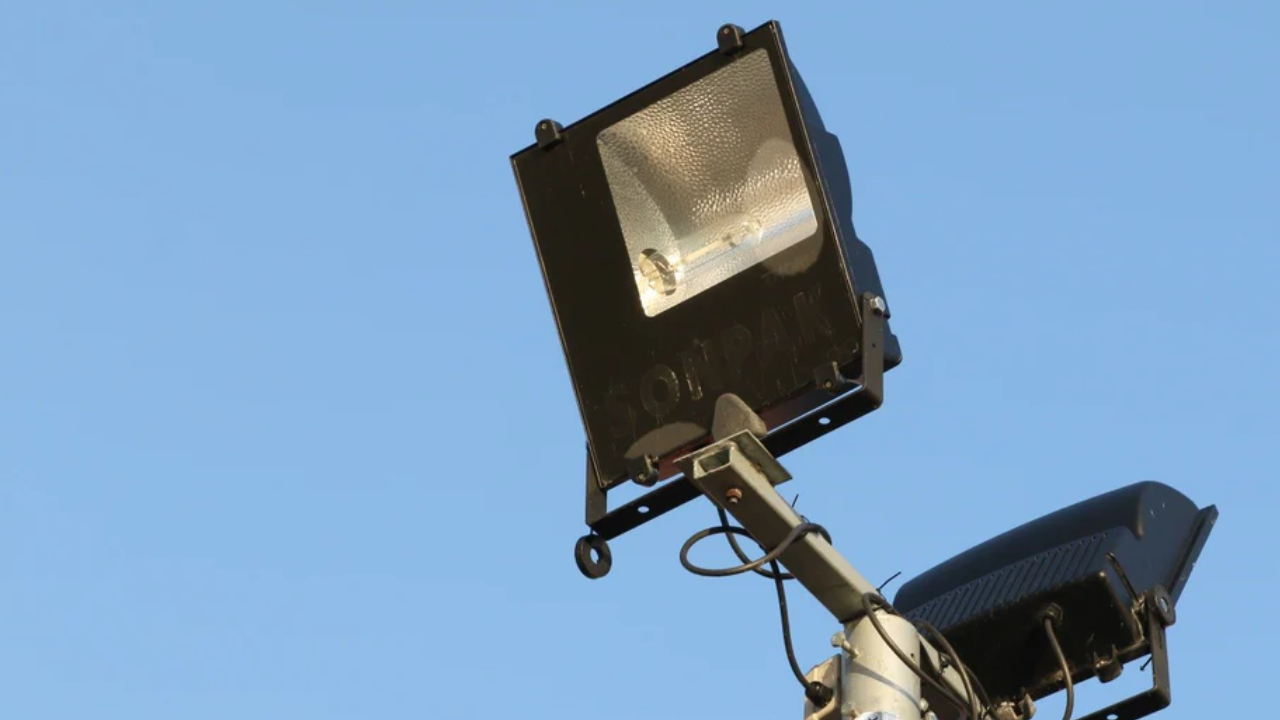
Sports lighting is essential to improve visibility, safety, and overall experience at sporting venues. To get rid of shadows and guarantee that players and spectators can see clearly, it is imperative to achieve the ideal intensity and homogeneity. Both spectator enjoyment and athlete performance are enhanced by precise color rendering and efficient glare management. Energy-efficient solutions, such as LED lighting, not only lessen operating expenses but also have a positive environmental impact.
Technology that doesn't flicker improves visual quality and reduces eye strain. Adaptability and flexibility are essential for supporting a variety of sports and activities. Performance and safety are guaranteed by adherence to industry standards. Ultimately, a well-thought-out Sport lighting system promises a bright future for sporting arenas all over the world by taking longevity and cost-effective maintenance requirements into account.
Is It Possible To Utilize LED Lighting In Sporting Facilities?
LED lighting is unquestionably ideal for sporting facilities. It is the perfect option because of its adaptability, energy efficiency, and capacity to produce bright, even illumination. The benefits of LED technology include accurate color rendering, flicker-free performance, and adaptability to different sports. Moreover, LEDs are a well-liked and practical option for lighting stadiums, sports arenas, and other sporting facilities because they require less maintenance and consume less energy.
Factors to Consider When Designing Sports Lighting
The important things to take into account while creating sports lighting, exploring topics like glare reduction, energy efficiency, uniformity, intensity, and technical developments.
Intensity and Uniformity
Achieving the correct intensity and uniformity throughout the playing field is a major factor in sports lighting design. Different sports have different lighting requirements; for example, football fields may require higher illumination levels than tennis courts. Achieving uniformity throughout the playing surface is crucial to removing shadows and guaranteeing that athletes can consistently see the ball or their opponents.
Glare Control
Glare, which is brought on by too much brightness or uncontrolled light, can negatively affect both spectators' enjoyment of the show and athletes' performance. For sports lighting systems to reduce glare and create a comfortable atmosphere, features like shielded fixtures, appropriate location, and glare control technology are essential. For outdoor sporting venues where natural light conditions might fluctuate, anti-glare solutions are especially important.
Color Rendering
Sports stadiums must use accurate color rendering since it affects how players, equipment, and other items on the field can be seen. For athletes to efficiently discern between various objects, high-quality lighting should provide an accurate portrayal of colors. Because of its superior color rendering capabilities, LED lighting is increasingly being used in sports lighting systems.
Energy Efficiency
With people becoming more conscious of the environment, energy efficiency is an important factor to take into account while designing sports lighting. LED lighting has become a viable option due to its longer lifespan, lower energy consumption, and less maintenance requirements. By customizing to the unique requirements of the sports facility, smart lighting control systems, such as those with motion sensors and programmable schedules, can further improve energy efficiency.
Flexibility and Adaptability
Sports arenas frequently host a variety of events and activities, each with specific lighting needs. A well-thought-out lighting system should be flexible and adaptive, making it simple to make changes to suit various games, contests, and events. Venue operators can optimize energy consumption and performance by customizing the lighting with programmable lighting controls and modular fixtures.
Maintenance Considerations
To maintain sports lighting systems functioning at their best, regular maintenance is necessary. During the design process, considerations including accessibility, maintenance simplicity, and fixture durability should be made. Throughout the lighting system, choosing fixtures with longer lifespans and fewer maintenance requirements can help save money.
Final Thoughts
It is essential to have a thorough awareness of the particular needs of any sporting facility when designing sports lighting systems. Designers can create lighting solutions that not only meet the functional needs of athletes and spectators but also contribute to the overall success and sustainability of sports facilities by taking into account factors like intensity, uniformity, glare control, color rendering, energy efficiency, adaptability, compliance with standards, and maintenance considerations.